

The southern United States is home to a variety of stinging insects, each with unique behaviors and habitats. Understanding which stinging insects are common in the South, along with their habits and identifying features, helps residents stay safe while appreciating their place in nature. Join us as we cover some of the most frequently seen stinging insects in the region and how to recognize them.
How to Recognize Stinging Insects
Recognizing stinging insects can help you avoid unwanted encounters and understand which species are nearby. Each type of stinging insect has distinct features that make it easier to identify. Here are some tips to help you recognize them safely.
- Look at Body Shape: Wasps and hornets have slender bodies with narrow waists, while bees are rounder and often appear fuzzier. The shape can be a quick way to tell these insects apart.
- Observe Coloring: Many wasps and hornets have bright yellow and black stripes or patches. Honeybees have softer, muted colors with bands of light brown and black, while bumblebees are often yellow with black markings and a more robust body.
- Check for Hair: Bees, especially bumblebees, are covered in fine hair, which helps them collect pollen. Wasps and hornets have smooth bodies with little to no hair.
- Notice Wing Position: When resting, wasps often fold their wings along their body, while bees usually keep their wings spread or angled slightly outward. Wing position can give clues about the insect type.
- Examine Nesting Sites: Bees tend to build waxy hives in sheltered areas or underground, while wasps and hornets create paper-like nests in trees, under eaves, or in open areas. Spotting a nest type can help identify the insect nearby.
Stinging Insects in Southern USA
The southern United States is known for its warm climate, which creates a suitable environment for various stinging insects. These insects play roles in pollination and pest control but may pose risks when they feel threatened. Here are some common stinging insects in the South and what you need to know about each one.
Yellow Jackets
Yellow jackets are aggressive wasps known for their bright yellow and black bodies and fast, agile flight. They are social insects that build paper-like nests, often underground or in hidden areas around buildings. Yellow jackets are highly defensive, especially when their nests are disturbed, and will sting repeatedly if they feel threatened.
These insects are attracted to sugary foods and proteins. They are also natural predators, feeding on other insects to provide for their colony. This predation helps control pest populations, but it also increases their presence near human activity, especially in late summer.
Yellow jacket stings are painful and can cause swelling, itching, and allergic reactions in some people. Unlike bees, yellow jackets can sting multiple times, injecting venom with each sting. Caution is essential when near their nesting sites, especially in areas with high ground cover where nests may be hidden.
Paper Wasps

Paper wasps are slender wasps with long legs and distinct yellow and brown markings. They build umbrella-shaped nests out of paper-like material, often under eaves, decks, and tree branches. Paper wasps are less aggressive than yellow jackets but will sting to defend their nests if disturbed.
These wasps are beneficial pollinators and predators, feeding on caterpillars and other insects that might harm plants. Their presence can support garden health, as they help keep pest populations in check. Paper wasps are typically active during the warmer months and become more visible as they search for food.
A paper wasp sting is painful but usually only happens when they are provoked. Their nests are small and open, so they are easier to spot and avoid.
Red Imported Fire Ants

Red imported fire ants are small but aggressive ants that live in large colonies. Their reddish-brown bodies and large mounds are distinctive features, often found in yards, fields, and even along sidewalks. Fire ants are highly territorial and will swarm aggressively if their mound is disturbed, delivering multiple painful stings.
Fire ants feed on a variety of foods, including other insects, seeds, and sugary substances. They are known for their impact on local ecosystems, often outcompeting native ant species. Fire ant colonies grow quickly, spreading over large areas and becoming a challenge to control.
A fire ant sting produces a burning sensation followed by a raised, red bump that may develop into a white pustule. For some, these stings lead to severe allergic reactions. Avoiding fire ant mounds and wearing protective clothing in infested areas can help prevent painful encounters.
Honeybees

Honeybees are recognizable by their rounded, fuzzy bodies and light brown and black stripes. Unlike wasps, honeybees are less aggressive and will sting only when they feel their hive is threatened. Honeybee hives are typically found in hollow trees or human-made structures, where they store honey and care for the colony.
These bees play a vital role in pollination, supporting local agriculture and plant biodiversity. Honeybees collect pollen and nectar, which they use to produce honey and feed the colony. Their presence is generally a positive sign for the environment, as they contribute to healthy plant populations.
Honeybee stings are painful but usually occur only when the bees are protecting their hive. Honeybees lose their stinger after stinging, which is fatal to the bee. Stings may cause swelling and itching, but severe reactions are rare. Staying calm and avoiding sudden movements around honeybees can reduce the chance of a sting.
Bumblebees
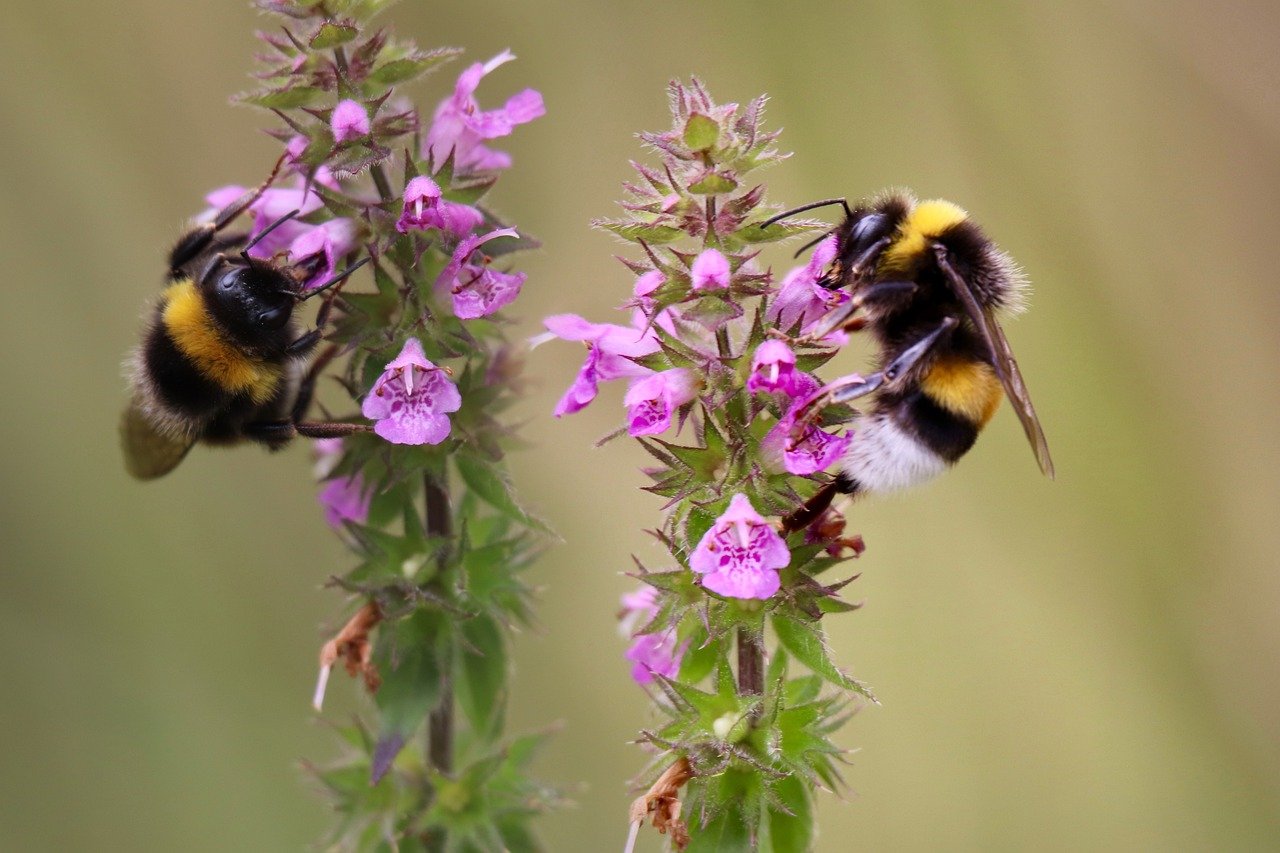
Bumblebees are large, round bees covered in dense hair with black and yellow stripes. Known for their gentle nature, they rarely sting unless they are directly threatened. Bumblebee nests are typically small and located in abandoned burrows or hidden in dense vegetation, making them less noticeable than honeybee hives.
Bumblebees are essential pollinators, visiting a wide range of flowers to collect pollen and nectar. They are especially important for crops like tomatoes and berries, where their “buzz pollination” technique helps plants produce more fruit. Bumblebees are most active in spring and summer, contributing to healthy gardens and natural landscapes.
A bumblebee sting is rare but can be painful if it occurs. Unlike honeybees, bumblebees do not lose their stinger and can sting multiple times, although they rarely do so. Keeping a respectful distance from their nesting sites and avoiding sudden movements will help prevent any accidental stings.
Common Questions About Stinging Insects
Stinging insects are common across many environments, and people often have questions about how to avoid them, what to do after a sting, and how to recognize their behavior. Below are some frequently asked questions about stinging insects and helpful answers to stay informed and safe.
Why do stinging insects attack?
Stinging insects usually sting to defend themselves or their nests. Wasps, bees, and ants feel threatened when someone or something gets too close, and some species are more aggressive than others. Staying calm and avoiding sudden movements near these insects helps reduce the chance of being stung.
What should you do after a sting?
After a sting, remove the stinger if it’s visible, especially with bees, and wash the area with soap and water. Applying ice helps reduce swelling and pain. Over-the-counter antihistamines or pain relievers provide additional relief, and monitoring for allergic reactions is essential, as some people may have more severe responses.
How can you avoid stings?
Avoid wearing bright colors and strong scents outdoors, as these attract stinging insects. Be cautious around areas where they nest, such as under eaves, in trees, or on the ground. Keeping food covered and staying calm when insects are nearby also lowers the risk of attracting attention.
What are the signs of an allergic reaction to a sting?
Signs of an allergic reaction include difficulty breathing, swelling beyond the sting area, dizziness, and hives. In severe cases, anaphylaxis may occur, requiring immediate medical attention. People who know they are allergic often carry an epinephrine injector for emergencies.
Are all stinging insects aggressive?
Not all stinging insects are aggressive. Honeybees, for example, are usually non-aggressive and sting only when they feel the hive is in danger. Bumblebees are also generally docile. However, wasps and certain ants, like fire ants, tend to be more territorial and may sting with less provocation.
How do stinging insects benefit the environment?
Stinging insects contribute to the environment through pollination and natural pest control. Bees, both honeybees and bumblebees, are key pollinators for many plants. Wasps and ants control other insect populations, which helps maintain balance in various ecosystems. Their roles are essential for healthy biodiversity.
Conclusion
Stinging insects in the southern USA play important roles in the environment, from pollinating plants to controlling pest populations. While some species may pose risks to humans, understanding their behavior and habitats helps reduce negative encounters. By learning how to recognize these insects and respect their space, we can appreciate their contributions to the ecosystem and coexist safely.