

Madagascar is home to some of the world’s most unique insects, many of which are found nowhere else. This island’s isolation has allowed its wildlife to develop in rare and fascinating ways. So, the island created insect species with unusual colors, shapes, and behaviors. To know more, here are details about the unique insects of Madagascar.
Giraffe Weevil
The giraffe weevil stands out immediately with its unusually long neck. Males use this elongated neck to compete for mates by engaging in battles, a behavior unique to this species. The neck is almost three times the length of the female’s.
These weevils are found primarily in Madagascar’s dense forests. They spend their time on small trees and shrubs, especially those that belong to the Dichaetanthera genus. Their bright red body and long black neck make them easy to spot among the greenery.
The giraffe weevil’s life cycle is also intriguing. Females roll up leaves to create small, protective pods for their eggs and carefully wrap them to protect the larvae from predators.
Comet Moth
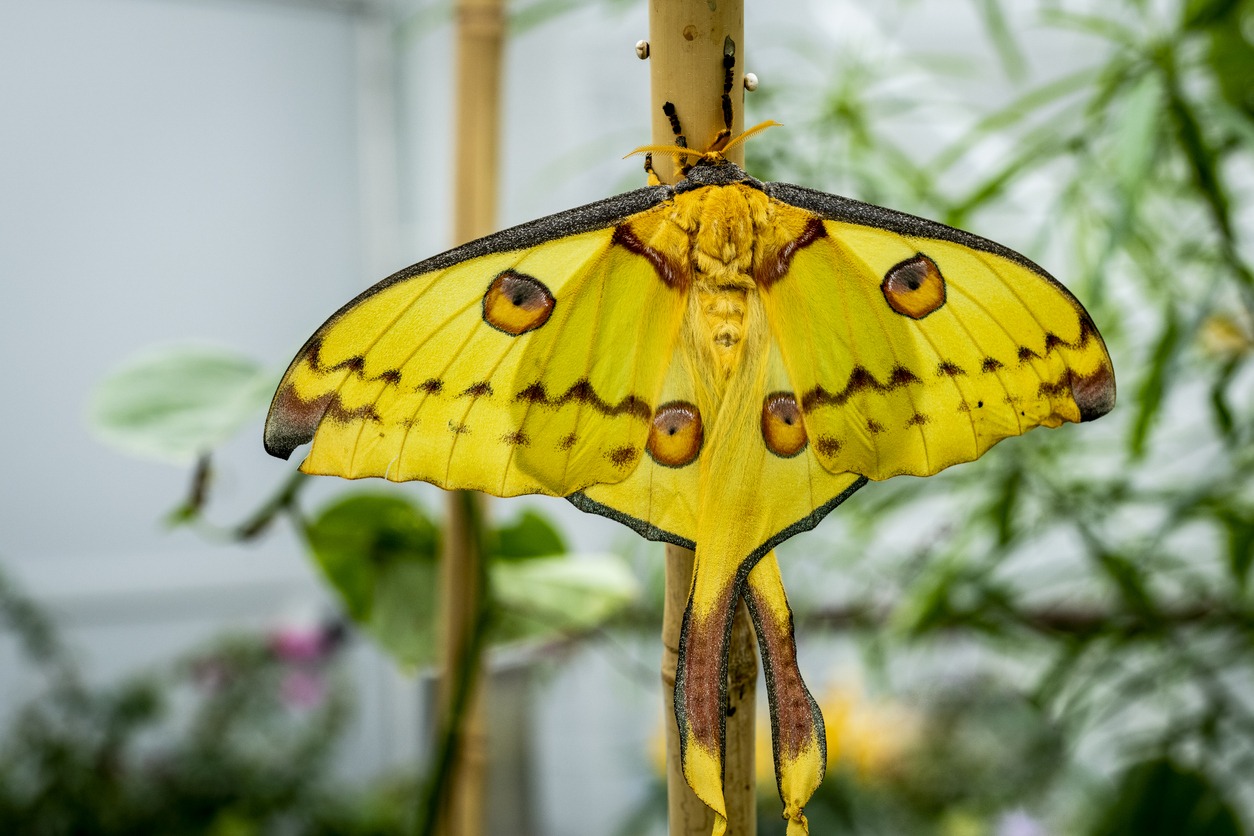
Known for its large, bright yellow wings and long tails, the comet moth is one of Madagascar’s most remarkable insects. This moth is also known as the Madagascan moon moth due to its large, eye-catching wings with spots resembling moon phases. Its wingspan can reach up to eight inches, which makes it one of the largest moths in the world.
The comet moth’s lifespan is surprisingly short, with adults living only four to five days. During this time, they focus solely on reproduction, as they don’t have functional mouths and cannot feed. Their intense colors and patterns serve to attract mates and deter predators, giving them a brief but beautiful presence in Madagascar’s forests.
Satanic Leaf-Tailed Gecko
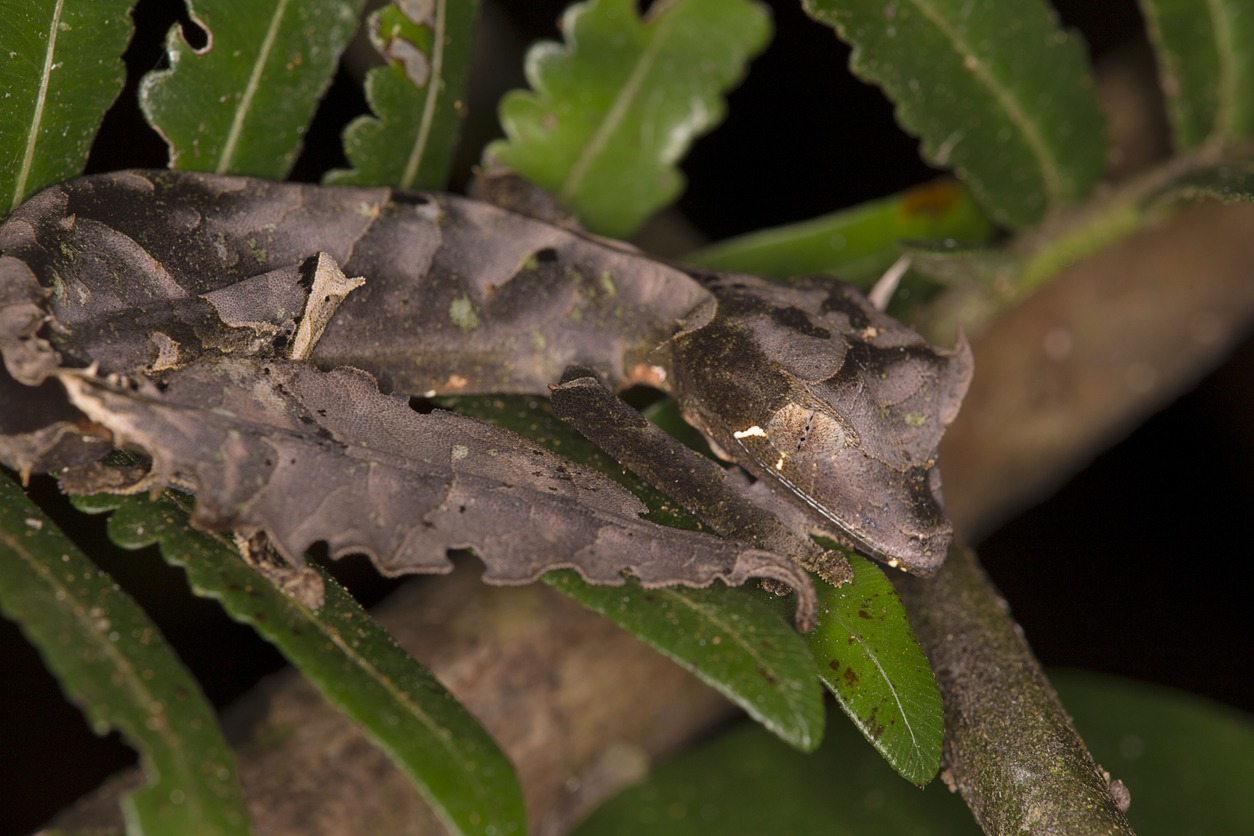
Despite its name, the satanic leaf-tailed gecko is harmless but has one of the most astonishing camouflage abilities in Madagascar. Its body resembles a dead leaf, complete with patterns and even “bite marks” to blend seamlessly with its surroundings. This insect-eating gecko is a prime example of how camouflage plays a role in survival.
This gecko is nocturnal, emerging at night to hunt for insects and other small prey. Its wide eyes give it excellent night vision, allowing it to track movement even in the darkness. By day, it clings to tree branches, flattening its body to resemble a leaf and avoiding detection by potential predators.
The satanic leaf-tailed gecko’s habitat is in Madagascar’s rainforests, where it relies on dense foliage to remain unseen. Its unique look and clever survival tactics have made it a favorite for researchers studying camouflage in the animal kingdom.
Malagasy Giant Hissing Cockroach
The Malagasy giant hissing cockroach is one of the most distinct members of Madagascar’s insect world. Unlike most cockroaches, this species is known for its hissing sound, created by forcing air through small openings in its body. This hissing serves as a defense mechanism, startling predators and protecting the roach from threats.
These cockroaches are quite large, reaching up to three inches in length. They are generally found in the leaf litter on Madagascar’s forest floor, where they feed on decaying plant matter, helping to recycle nutrients into the soil. This role makes them one of Madagascar’s most ecologically valuable insects.
Madagascan Moon Moth
View this post on Instagram
The Madagascan moon moth, also called the Argema mittrei, is known for its impressive wingspan and long tails that can reach six inches or more. Its pale green wings, dotted with “eyes” for predator protection, give it a haunting beauty that is rarely matched. These moths are primarily active during dusk and dawn, when they’re less likely to encounter predators.
The moth’s life span in adulthood is brief, as it lacks a digestive system and does not eat. Instead, it relies on stored energy from its larval stage to survive its short adult life. During this time, it mates and lays eggs, thus ensuring the survival of its species with its colorful and enchanting presence. If you want to see this beautiful animal, you should definitely visit a walking safari in Madagascar. For more info on walking safaris and what exactly they are, check out our article, “Learn About Amazing Walking Safaris.”
Flatid Leaf Bug
The flatid leaf bug is known for its flattened body and bright green coloring that helps it blend seamlessly with leaves. This small bug can often be mistaken for part of a plant due to its wing shape and color, making it an expert at camouflage. This trait helps protect it from predators while it feeds on sap from various plants.
These bugs are often found in groups, forming clusters that make them look like clusters of leaves on branches. This behavior is another layer of defense, which confuses predators by appearing like a part of the surrounding foliage. Their waxy wings give them a distinctive texture that enhances their disguise in Madagascar’s forests.
Orchid Mantis
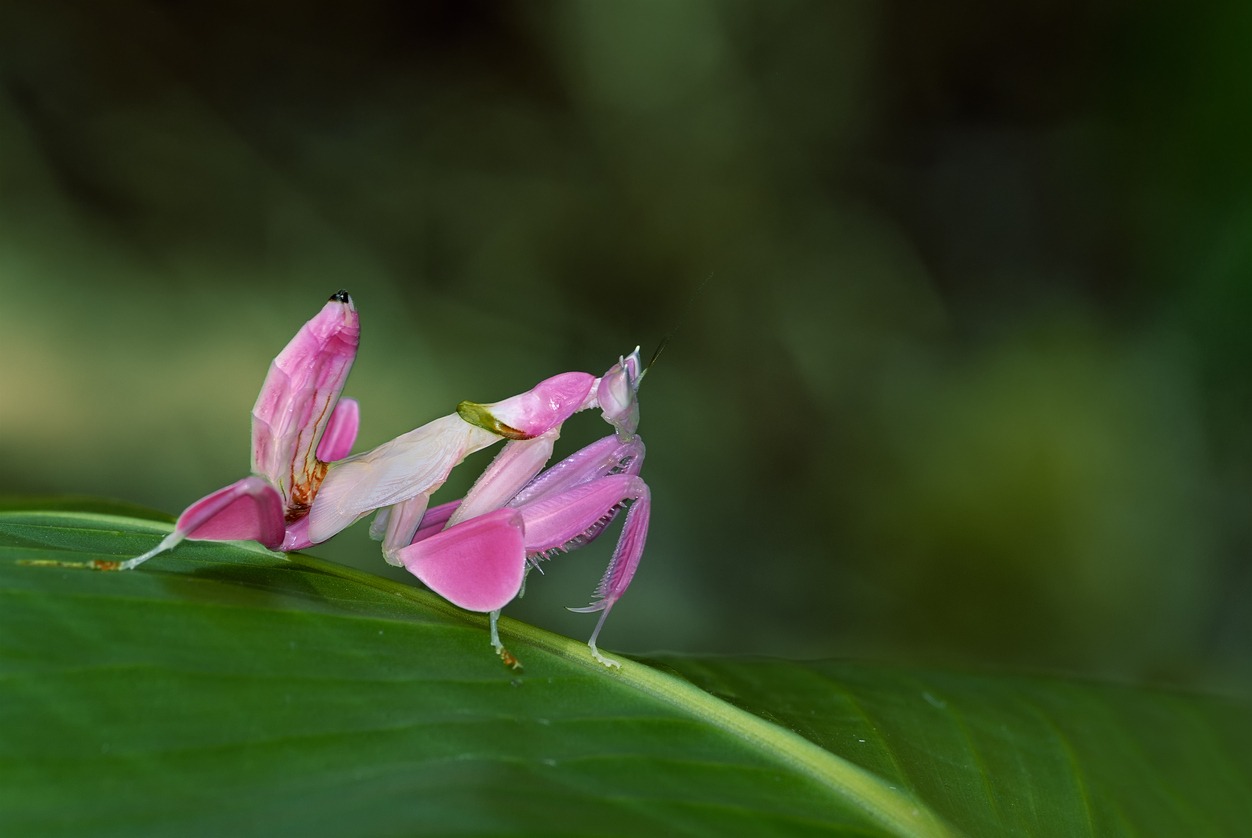
The orchid mantis is famous for its remarkable resemblance to orchid flowers, a form of camouflage that helps it attract prey. Unlike most insects, this mantis doesn’t hide from its prey but uses its flower-like appearance to lure insects closer. Its body mimics the shape and color of orchid petals, allowing it to blend in perfectly with the flowers around it.
This mantis is typically found in regions with a high concentration of flowering plants, where it waits for unsuspecting insects like bees and butterflies. The orchid mantis can change its color slightly, adjusting to match the shades of nearby flowers. Its unique hunting technique and appearance make it one of Madagascar’s most unusual insects.
Madagascar Sunset Moth
The Madagascar sunset moth is one of the most colorful insects on the island. Its wings display a stunning array of iridescent colors, including greens, blues, and reds, which shift as light hits them. Unlike many moths, this species is diurnal and is often mistaken for a butterfly due to its vibrant colors and daytime activity.
The sunset moth is found in Madagascar’s forests, where it feeds on nectar from flowers. The moth’s coloration serves as a defense mechanism, as it can warn predators of its toxic qualities.
Conclusion
These insects mentioned above contribute to Madagascar’s ecosystems, playing roles in pollination, nutrient cycling, and population control. Beside their ecological importance, they bring a sense of wonder to those who observe them. So, Madagascar’s unique insects serves as a window into the island’s extraordinary biodiversity.